
Free 5 Love Languages Quizzes: Understand, Connect, Thrive
- 24 November 2025
Take the 5 Love Languages Quiz for Couples, Teens & Kids
Get StartedWhat the Love Languages Framework Is and Why It Matters
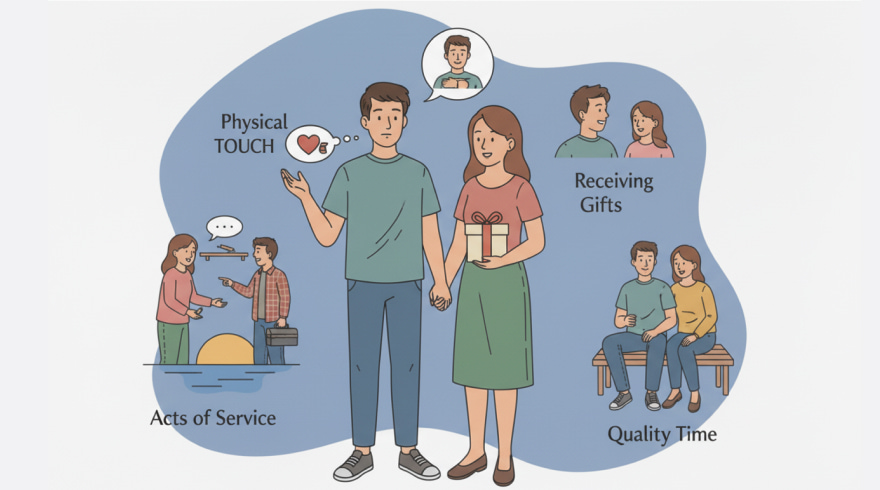
Relationships thrive when partners feel seen, appreciated, and emotionally safe. The love languages framework explains how people prefer to give and receive affection across five core channels: Words of Affirmation, Acts of Service, Receiving Gifts, Quality Time, and Physical Touch. Rather than boxing anyone into a single category, this model highlights primary tendencies and secondary nuances that shape everyday connection. When couples, friends, or family members speak the emotional dialects that matter most, misunderstandings soften and goodwill grows.
Beyond the theory, practical insights emerge when you explore concrete examples in daily life, from check-in conversations to routines around chores and leisure. Many people find it easier to start with a short questionnaire that surfaces patterns they already sense but haven’t named. In that spirit, a resource like a 5 love languages quiz free option can remove barriers and spark thoughtful dialogue between partners.
Clarity increases when both people compare interpretations and discuss what specific actions feel meaningful. Small adjustments, like scheduling distraction-free time or offering words of appreciation, can change the tone of a week. For newcomers who just want a quick snapshot before diving deeper, trying a free 5 love languages quiz during a calm moment often provides immediate aha moments.
- Identify your top emotional preferences without guesswork
- Discover simple, actionable micro-habits to express care
- Translate insight into everyday rituals that stick
- Reduce avoidable friction driven by mismatched expectations
How the Assessment Works and the Psychology Behind It
Most quizzes present scenario-based choices that nudge you to pick what feels more meaningful in real life. Over multiple items, patterns emerge: some people light up when they hear encouragement, while others feel loved when a partner takes tasks off their plate. The method isn’t clinical diagnosis; it’s a structured reflection tool that organizes preferences you already experience informally. In relationship science, this aligns with needs-based models and attachment-informed communication, offering a shared vocabulary for secure bonding.
Two key principles drive the utility of this approach: first, that attention is an act of love; second, that love grows when expressed in the recipient’s natural language. Rather than chasing grand gestures, the framework champions consistent, finely tuned behaviors that accumulate trust. For many readers, experimenting with a 5 love languages test free format provides an accessible launch point to map these preferences and compare them with a partner’s view.
Because context matters, retesting after life transitions can be informative, especially when stress or new routines shift needs. People often discover secondary languages that complement their primary one, expanding the menu of connection strategies. If you prefer a minimal-barrier entry, a simple 5 love language test free can introduce the model and invite deeper conversations about how affection feels most authentic.
- Scenario choices reveal consistent response tendencies
- Results deliver a ranked blend, not a rigid label
- Periodic check-ins help track evolving needs over time
Spotting Each Language in Daily Life: Signals, Behaviors, and Tips
Every language shows up in small, repeatable moments: the note left on a desk, the coffee made before a meeting, the hand squeeze during a hard day, the unrushed walk after dinner, the thoughtful token tied to an inside joke. When you can name these touches, you can request them clearly and offer them generously. For an approachable entry point, some readers try a 5 love languages free quiz to get a quick read on patterns before building personalized rituals at home.
| Language | Typical Signals | Daily Behaviors to Try | Common Pitfalls |
|---|---|---|---|
| Words of Affirmation | Lights up with sincere praise and verbal support | Send a morning text, give specific compliments, celebrate micro-wins | Generic flattery, sarcastic jokes that land as criticism |
| Acts of Service | Feels cared for when burdens are eased | Handle a chore unasked, prep a meal, organize shared tasks | Doing tasks resentfully or keeping score |
| Receiving Gifts | Values tangible tokens of thoughtfulness | Bring a favorite snack, craft a memory box, mark milestones | Equating love with price tags instead of meaning |
| Quality Time | Craves undivided attention and presence | Plan device-free time, take a walk, schedule weekly check-ins | Multitasking, frequent interruptions, chronic lateness |
| Physical Touch | Connects through affectionate contact | Offer hugs, hold hands, cuddle during conversations | Assuming touch is welcome without periodic consent |
When you translate insights into routines, you turn intention into momentum and make warmth feel dependable. Couples often choose one ritual per language to keep variety without overwhelm and then refine based on feedback. If you prefer a quick primer before planning, a straightforward 5 love languages free test can clarify which everyday gestures will land with the greatest emotional impact.
- Stack small wins with a weekly ritual you both enjoy
- Give feedback about what works and what doesn’t
- Rotate ideas to avoid stale routines and keep novelty alive
Interpreting Your Scores and Turning Insight Into Action
Scores summarize where attention yields the biggest return, but real progress happens in specific moments that match your partner’s preferences. Treat your top languages as priorities and your secondary languages as bonus pathways. Share standout examples of what feels nurturing, and trade short lists of do’s and don’ts to reduce guessing. When you debrief together, focus on curiosity and experiments rather than debates about who is “right.”
After reviewing your breakdown, create a tiny plan for the next week with concrete, observable actions. Many people like to track mood shifts or perceived closeness to reinforce consistency. If you’d like to calibrate how to apply the data in conversation, looking over your 5 love languages quiz free results alongside your partner’s notes can keep both of you oriented to what actually resonates.
Progress compounds when you celebrate small improvements and refine the plan monthly. It also helps to anchor reminders in your calendar and tie rituals to existing habits. For a low-friction starting point that supports this kind of planning, some couples choose a free 5 love languages test and then co-create a checklist of two-minute gestures they can deliver reliably.
- Translate each score into one repeatable weekly habit
- Use brief check-ins to evaluate what’s working
- Refresh your plan after life changes or new stressors
Real-Life Applications for Couples, Singles, Families, and Teams
While the framework shines in romantic contexts, it’s equally useful for friendships, parenting, and collaborative work. Parents might learn that one child lights up with focused attention, while another needs practical help to feel secure. Managers can apply the spirit of the languages ethically by recognizing preferences for thanks, mentorship time, or supportive assistance. In dating, clarity about how you give and receive care prevents mismatches and accelerates trust.
Experiment with micro-habits in different relationships and notice where connection grows most quickly. You might rotate which language you emphasize each week to build flexibility, then double down on what earns the most warmth. For casual exploration without commitment, some people start with a 5 love language quiz free to uncover tendencies and then craft low-stakes experiments for coffee dates or roommate dynamics.
Digital tools can also help you maintain steady rhythms across busy schedules. If you want structure that’s accessible wherever you are, trying a simple 5 love languages test free online can pair neatly with shared notes, calendar nudges, and habit trackers that keep care on the radar even during hectic seasons.
- Create a shared “connection menu” with three favorite gestures each
- Use reminders to cue brief acts of appreciation
- Debrief monthly and revise rituals based on honest feedback
FAQ: Common Questions About Love Languages Quizzes
How accurate are these quizzes for real relationships?
They are directional tools that surface preferences, not final verdicts on personality or compatibility. Accuracy improves when you validate results with lived experiences and discuss specific examples. For a no-cost way to explore that alignment, many couples compare notes after trying a free 5 love language test and then adjust based on everyday feedback.
Can your primary language change over time?
Yes, shifts in stress, health, work, or family roles can alter what feels most nourishing. People often retain a consistent core, but priorities can reorder temporarily. That’s why periodic check-ins keep care responsive to evolving needs rather than fixed to a single season of life.
How long does a typical questionnaire take to complete?
Most options take 5 to 10 minutes, depending on length and reflection time. You’ll move through short comparisons that highlight what resonates more strongly. The value comes from discussing what the choices mean and translating insights into small, consistent rituals.
Is this framework only for romantic partners?
No, the principles help in families, friendships, and professional contexts as well. When you name what support looks like, people can offer care in ways that truly land. The same foundation helps parents, roommates, and teams reduce friction and reinforce trust.
What’s the connection to the original author and the broader methodology?
The framework popularized by Gary Chapman introduced a memorable, practical lens for daily connection. Readers who are curious about accessible tools sometimes explore a 5 love languages quiz free gary chapman reference and then expand into broader skills like active listening, boundary-setting, and repair conversations for long-term resilience.
Ultimately, the most important step is turning insights into action with compassion and consistency. Small gestures, delivered in the right language, accumulate into a bond that feels reliable and deeply supportive. When you experiment, iterate, and communicate, relationships naturally move toward greater understanding and ease.