The Ultimate Guide to Love Language Test: Understand, Connect, Thrive
- 25 November 2025
Take the 5 Love Languages Quiz for Couples, Teens & Kids
Get StartedWhat This Relationship Assessment Is and Why It Matters
Understanding how you and the people you care about express affection can transform everyday interactions. A well-designed relationship assessment translates vague impressions into concrete patterns, helping you see why certain gestures feel meaningful while others miss the mark. Instead of guessing, you learn to notice signals, make small adjustments, and build routines that nourish trust. The concept is practical, culture-friendly, and adaptable for families, friendships, and romantic partnerships. Most importantly, it gives you vocabulary to ask for what you need without blame, and to offer care in ways others can readily receive. Over time, this clarity reduces friction, prevents avoidable misunderstandings, and elevates the baseline warmth in your home.
People are often surprised by how fast a clear framework can align expectations and soften conflict. Beyond quick quizzes on the internet, the 5 love languages test offers a structured way to translate feelings into practical behaviors. You don’t have to agree on everything to feel close when you know the rituals that make connection visible. With insight into your top styles, you can tailor compliments, plan time together, divide tasks more thoughtfully, and set boundaries that feel respectful instead of rigid. That makes affection measurable in daily life and leaves less to chance.
- Pinpoint the gestures that land best for you and your loved ones.
- Replace vague promises with repeatable, trackable habits.
- Reduce friction by matching effort to a partner’s real preferences.
- Keep momentum with small wins that compound over weeks and months.
How the Five Styles Work and What Each One Means
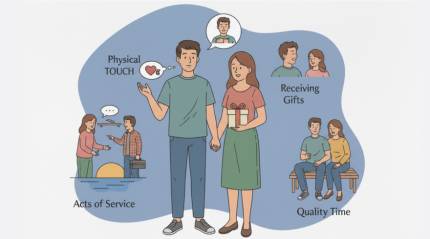
The model groups expressions of care into five recognizable styles: words, time, service, gifts, and touch. While most people relate to all five at different moments, a few usually stand out as primary. That hierarchy helps you prioritize limited time and energy, so the same effort yields a bigger emotional return. Think of it like choosing the right channel on a radio; when you broadcast on the frequency someone hears best, your message arrives crisp and clear. Misalignment, in contrast, can feel like static, lots of effort with little resonance.
Origins matter because they give the framework depth without making it dogmatic. Originally popularized by the author of a bestselling relationship book, the model gives you a shared vocabulary to recognize and meet core needs, and the 5 love language test gary chapman version ties those ideas back to their source. Regardless of the edition you use, the real power comes from intentional follow-through. When you pair insight with action, you turn warm intentions into a rhythm of care that’s easy to sustain even on busy days.
| Connection Style | What It Looks Like | Everyday Ideas |
|---|---|---|
| Words of Affirmation | Encouraging phrases, specific praise, gentle notes | Send a midweek text, leave a sticky note, celebrate micro-wins |
| Quality Time | Undivided attention, focused presence, shared routines | Plan a device-free walk, cook together, schedule calendar blocks |
| Acts of Service | Helpful actions that lighten the load | Handle a chore, prep snacks for tomorrow, set out outfits |
| Receiving Gifts | Tangible symbols that show thoughtfulness | Pick a favorite snack, print a photo, bring a small souvenir |
| Physical Touch | Warm contact that communicates safety and care | Offer a hug, sit close during a show, hold hands on walks |
It’s normal for preferences to shift with context, stress at work might make service soar in value for a season, while a celebration might boost the appeal of thoughtful tokens. The point isn’t perfection; it’s attunement. When you learn the signals and calibrate regularly, you build a resilient relationship culture that flexes with real life.
Benefits for Couples, Individuals, and Families in Daily Life
Partnerships thrive when affection is easy to recognize and reciprocate. Many couples discover that mismatched expectations about attention, chores, or affection were not indifference at all, but simply different dialects of care. Once partners align on language, they can convert effort into impact with less trial and error. When partners compare their profiles, the 5 love languages test couples adaptation makes it easier to plan gestures that resonate for both people. This turns date nights, weekend routines, and conflict repair into opportunities to bank goodwill instead of draining energy.
Personal growth matters even outside committed relationships, because knowing your own preferences shapes healthy boundaries and mindful choices. Solo reflection helps you notice what has historically recharged your energy and what has left you neutral. That awareness makes it easier to choose compatible dynamics in future connections and to communicate early with potential partners or close friends. If you are dating or happily unattached, the 5 love languages test singles route clarifies what fills your tank before you negotiate boundaries with someone new. Clarity now prevents mismatches later and encourages intentional, values‑aligned connections.
Families benefit when everyone can name what helps them feel seen and supported at home and school. Adolescents especially need space to experiment with self-expression while learning to respect others’ needs. When care is specific, routines become smoother, and conflicts turn into teachable moments. To support growing independence and social skills, the 5 love languages test for teens frames conversations about respect, empathy, and healthy limits. With shared language, parents, mentors, and students can co-create simple rituals that lower stress and build connection during a hectic week.
- Use weekly check-ins to pick one small habit per person.
- Link each habit to a calendar reminder to keep it consistent.
- Review wins and tweak plans without blame when life gets messy.
Formats, Timing, and Cost: Choosing the Best Path for You
Not every assessment needs to be long or expensive to be effective. Many people start with a short questionnaire to get an initial sense of their top styles, then refine their understanding by journaling and observing real-life reactions for a couple of weeks. Combining a quick snapshot with thoughtful reflection yields balanced insight without overwhelm. For budget‑conscious readers, the 5 love languages test free option still provides actionable insights without paywalls. Pair it with a simple habit plan, and you can turn results into routines immediately.
Professionals often recommend family-friendly versions alongside guided debriefs. A brief instrument followed by a collaborative discussion helps households translate preferences into concrete actions, like reducing interruptions or sharing tasks more fairly. When everyone participates, accountability rises and resentment declines. Educational counselors often point families to a 5 love language test free questionnaire that can be completed together and discussed afterwards. That shared experience sparks empathy and makes follow-through feel like a team effort rather than another chore.
Speed matters for people with packed calendars, and short-form formats meet that need without sacrificing clarity. Quick inventories identify the dominant styles fast, which you can validate over the next week using mini-experiments. This try‑and‑observe loop keeps momentum high while you fine-tune what truly lands. On busy days, a streamlined 5 minute love language test can supply a quick snapshot that you refine later with journaling or a longer inventory. The key is not the length of the questionnaire but the consistency of habits that follow.
Community resources can also make learning social and fun. Libraries, workplaces, and local groups sometimes host themed evenings with exercises that encourage vulnerable yet safe conversations. Practicing in a guided setting lowers anxiety and accelerates skill building, especially for people who prefer structure. Community centers sometimes host a 5 love languages free test event alongside workshops on communication, conflict repair, and gratitude habits. Pairing learning with practice turns knowledge into muscle memory faster than reading alone.
- Pick one tiny habit per style to test for a week.
- Track reactions with a quick note on your phone right after interactions.
- Keep what works, drop what doesn’t, and adjust for context.
From Insight to Action: Interpreting Results and Building Habits
Results are most helpful when you translate them into specific, calendar-friendly behaviors. Start by ranking your primary and secondary styles, then brainstorm low-effort actions you can perform daily or weekly. Make each action observable, such as sending a specific message, planning a 20‑minute walk, or finishing a task unprompted. For a thorough profile, the 5 different love languages test examines preferences across words, time, service, gifts, and touch. Combine that clarity with habit stacking, attach new rituals to existing routines, to ensure you follow through without extra willpower.
Sharing your profile with trusted people magnifies the benefits, because it gives them a map to your heart that is easy to follow. Invite feedback about what landed and what felt off, and keep a light, experimental tone so adjustments feel natural rather than critical. After scoring, the 5 love language test becomes a springboard for micro‑habits that make affection visible. Over time, you’ll notice shorter conflicts, faster repairs, and more moments of effortless warmth.
Schools and youth programs can fold the framework into social-emotional learning to foster communication skills and empathy. Group leaders might pair lessons with role-playing exercises that coach students to ask for what they need and to listen generously to others. Schools add SEL content by using the 5 love languages test teens variant to normalize expressing needs and setting compassionate boundaries. With practice, young people learn to make kind requests, give specific praise, and respect others’ comfort zones.
- Define one action per style you can do in under five minutes.
- Set shared cues, like a phrase or gesture, to signal needs respectfully.
- Review progress monthly and refresh ideas to keep energy high.
FAQ: Clear Answers to Common Questions
How accurate are these assessments?
They are directional tools rather than medical diagnostics, designed to spark reflection and conversation. Accuracy improves when you pair results with real-life observation, invite feedback, and revisit your profile during life transitions.
Can my preferences change over time?
Yes, situational shifts like stress, caregiving, or career changes can reorder priorities temporarily or for a season. Reassessing a few times a year keeps your routines aligned with what you actually need now.
What if my partner and I value different styles?
That is common and workable with intentional planning. Trade small gestures in each other’s preferred modes, and schedule them so neither person has to rely on memory or guesswork.
Is there a best style to have?
No, each style highlights a legitimate channel of care, and context determines what is most helpful. The most effective approach is to learn your top preferences and to become conversational in the others.
How should we start implementing changes?
Pick one tiny habit apiece and make it specific, frequent, and easy. Review after two weeks, keep what works, and add the next smallest upgrade to build a sustainable rhythm of connection.