Your Ultimate Guide to Love Language Quizzes and Real-Life Results
- 26 November 2025
Take the 5 Love Languages Quiz for Couples, Teens & Kids
Get StartedWhat Are Love Languages and Why This Assessment Endures
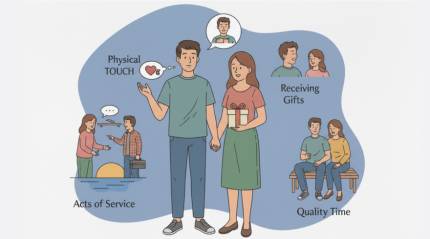
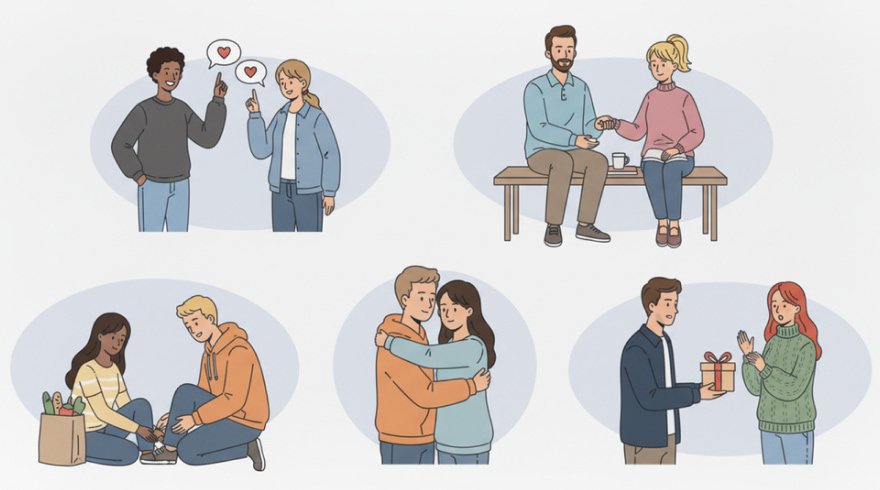
People crave connection, yet they often talk past each other without realizing it. The love languages framework offers a simple lens for understanding how you prefer to give and receive care. It distills complex emotional needs into five intuitive categories: Words of Affirmation, Quality Time, Acts of Service, Receiving Gifts, and Physical Touch. Behind the popularity is a practical promise: use plain language to decode affection, set clearer expectations, and reduce avoidable conflict.
While many personality tools feel abstract, this approach translates directly into daily habits and conversations. In that context, the 5 love languages quiz functions as a quick starting map that reveals tendencies you already sense but rarely articulate, and it helps you explain your needs without defensiveness. Because the results are straightforward, you can immediately translate insights into micro-actions that build trust.
Adoption has grown across age groups and relationship stages, from dating to long-term partnerships and even friendships. For clarity and self-reflection, the 5 love language quiz provides a structured prompt that invites deeper dialogue without turning the moment into therapy jargon. You gain vocabulary for affection, your partner gains a checklist for connection, and both sides find a shared baseline for improvement.
How the Assessment Works, Scoring, and Accuracy
The assessment typically presents pairs of statements and asks you to choose which expression of care resonates more. Over multiple items, your choices cluster into five categories and yield a ranked profile. This ipsative format highlights relative preferences, meaning your top one or two “languages” matter most for practical change, while the others still count but with less urgency.
Because results rely on honest, context-aware answers, calibration matters before you interpret scores. In many guides, the 5 love languages quiz test is best taken when you’re calm, mindful about recent interactions, and not rushing through the items to beat a timer. Clarity improves when you jot a few notes about times you felt especially seen or dismissed, then compare those memories with your results.
| Love Language | Typical Signals | Practical Responses |
| Words of Affirmation | Seeks verbal appreciation, thoughtful notes, genuine praise | Offer specific compliments, express gratitude, send brief messages |
| Quality Time | Values undivided attention, shared activities, deep talks | Plan focused time, minimize devices, schedule regular check-ins |
| Acts of Service | Notices helpful actions, logistics support, chores done thoughtfully | Handle tasks proactively, remove friction, follow through reliably |
| Receiving Gifts | Appreciates meaningful tokens, surprises, symbols of thought | Choose personal items, mark milestones, attach heartfelt notes |
| Physical Touch | Seeks hugs, hand-holding, warm proximity, affectionate presence | Offer gentle touch, respect boundaries, tune into comfort cues |
Attribution matters because the model has a clear origin and vocabulary that readers recognize. In many summaries, the 5 love languages gary chapman quiz is referenced to anchor the framework historically while encouraging people to personalize the language for modern contexts. You can respect the core categories and still adapt examples to fit your culture, values, and relationship norms.
Transforming Romantic Communication
Intimacy grows when you invest attention in the specific gestures your partner experiences as love. Many couples feel stuck in cycles of good intentions producing disappointing outcomes, which usually signals a translation gap rather than a lack of care. The fastest wins come from turning insights into small, repeatable actions that your partner can feel and recognize without explanation.
If you want a shared starting point, the 5 love languages quiz couples can act as a nonjudgmental prompt for honest discovery followed by a playful plan for weekly experiments. For broader reflection across families and friendships, the 5 languages love quiz enables everyone to articulate preferences and negotiate routines that respect differences without ranking them. You’ll find that even micro-adjustments, like switching from general praise to specific appreciation, can dramatically shift your emotional climate.
- Start with one high-impact habit per person, then layer in more once it feels natural.
- Create rituals that are easy to repeat, such as a ten-minute nightly check-in or a weekly act of service.
- Use “when you, I feel” sentences to link behaviors to emotional outcomes and reduce blame.
- Review what worked at the end of each week, and retire tactics that don’t land well.
Adapting the Model for Teams and Workplaces
Professional settings aren’t romance, yet the need to feel valued remains universal. Teams misfire when appreciation styles clash with recognition programs, and leaders often default to one channel that leaves others cold. Translating the five categories into office-friendly behaviors can renew morale, reduce miscommunication, and align feedback with what actually motivates people.
For culture audits and manager training, the 5 love languages workplace quiz can be reframed around appreciation, feedback, and collaboration preferences that respect boundaries while boosting engagement. When you want simple practice templates for recognition moments, the 5 love languages work quiz helps managers identify whether teammates prefer public kudos, focused one-on-ones, helpful task support, thoughtful swag, or collegial handshakes and high-fives. By mapping preferences to rituals, standups, retros, peer shout-outs, you build a predictable rhythm of recognition.
- Words: Specific acknowledgments tied to outcomes and effort, not vague praise.
- Time: Uninterrupted 1:1s, shadowing opportunities, or pair-working blocks.
- Service: Removing blockers, documenting processes, or pitching in on tough tasks.
- Gifts: Learning stipends, book credits, or milestone mementos with meaning.
- Touch: Respectful, opt-in gestures appropriate to culture and policy guidelines.
How to Take the Quiz, Interpret Scores, and Next Steps
Approach the assessment with curiosity rather than a fixed identity mindset. Your top languages can shift with life stages, stress levels, and relationship context, so revisit results after big transitions. If you’re completing the tool with a partner, schedule a calm moment and agree to share highlights without debating which style is “better.”
For easy access, many platforms host the 5 love languages quiz free with streamlined instructions that make the process quick and approachable for first-timers. When you want something you can share widely with friends or study groups, a free 5 love languages quiz can remove friction so the focus stays on discussion and action planning. After scoring, pick one practice per language you can test over the next week, then reflect on what felt most meaningful.
- Translate one insight into a daily habit you can complete in five minutes or less.
- Document preferences in a shared note and update it as your needs evolve.
- Pair each language with a boundary statement so care remains consensual and comfortable.
- Set a follow-up date to review progress and celebrate what worked.
FAQ: Common Questions About Love Language Quizzes
How accurate are these quizzes compared to other relationship tools?
They’re directional rather than diagnostic, giving you a clear vocabulary to experiment with instead of final labels. Accuracy increases when you treat results as a conversation starter and cross-check them with real experiences, especially during varied moods and contexts. For people who like a quick, recognizable format, the 5 love languages love language quiz offers enough structure to guide practical change without overcomplicating the process.
Can my primary language change over time?
Yes, preferences can shift with milestones like becoming a parent, changing jobs, or moving cities. Stressors also alter what feels most supportive in the short term, so it’s wise to retake the assessment after major life events and to update agreements with loved ones. Treat your profile as a living document that evolves as your circumstances and capacities evolve.
What if my partner and I have totally different results?
Divergence is common and manageable when you view it as a design challenge. You can alternate focus weeks, combine gestures in one routine, or trade small actions daily so neither person feels unseen. Mismatches become less tense when you explicitly name your needs and create micro-habits that are easy to perform consistently.
Is the model useful outside of romantic relationships?
Absolutely, because appreciation, attention, and helpful actions matter in every sphere of life. Families, friendships, classrooms, clubs, and teams benefit from translating preferences into predictable rituals. For readers exploring origins and extensions, some people also encounter references to a Gary Smalley 5 love languages quiz in historical discussions, which often points back to broader conversations about relationship education.
How should I start applying the insights the same day I take it?
Begin with a five-minute habit that aligns with a top language and requires no extra planning. Add a calendar nudge for a weekly check-in to discuss what landed well and what needs adjusting, and keep the tone collaborative and curious. If you prefer branded frameworks for consistency, the 5 love languages gary chapman quiz lineage offers familiar language that makes adoption smoother across communities.