The Complete Guide to the Five Love Languages for Couples
- 21 November 2025

Take the 5 Love Languages Quiz for Couples, Teens & Kids
Get StartedWhy the Five Love Languages Still Matter for Modern Relationships
Healthy relationships thrive on clarity, empathy, and repeatable habits. The five love languages framework offers a practical lens for understanding how affection is best expressed and received, turning vague intentions into specific behaviors. Couples who translate warm feelings into consistent actions often report less friction, faster repairs after disagreements, and a greater sense of security. Rather than boxing people into rigid types, this model provides a vocabulary to discuss needs with precision, so partners can stop guessing and start connecting. When both people feel seen, small daily gestures accumulate into a resilient bond.
In many partnerships, tension doesn’t come from a lack of love but from a mismatch in delivery, and that is where a shared tool becomes powerful. Many pairs enjoy taking the 5 love languages quiz couples because it gives them a structured snapshot of preferences that can be revisited over time. With a common map, couples stop arguing about “who cares more” and start adjusting behaviors that actually land. The resulting clarity reduces mind-reading, increases appreciation, and supports smoother decision-making around time, energy, and money. Over months, these micro-adjustments compound into trust and ease.
- Build a shared vocabulary for needs without blame or defensiveness.
- Turn abstract intentions into concrete, repeatable behaviors.
- Disentangle conflict triggers from unmet emotional preferences.
- Spot growth edges and celebrate what already works well.
- Create rituals that are easy to sustain even on busy weeks.
How the Quiz Works and How to Prepare Together
The assessment is typically a sequence of forced-choice items that reveal patterns in how you prefer to receive affection. Each partner completes it individually, then you compare results and discuss where your top languages overlap or diverge. You’ll see a rank-ordered list rather than a single label, which helps you understand nuance. The real benefit emerges in the debrief, where you translate insights into low-effort, high-impact actions. Plan a calm window for conversation, bring curiosity, and keep a notepad for ideas you can try this week. Treat the session like a mini retreat, not a pop quiz.
For clarity, many platforms present the assessment under labels such as the 5 love languages couples quiz, which highlights that the debrief should be done together with a spirit of teamwork. Set ground rules before you begin, like no interrupting and an agreement to ask open-ended questions instead of defending past behavior. Then decide on two quick wins per partner that can be implemented within 48 hours to build momentum. Finally, schedule a reconnection check-in two weeks later to review what worked and what needs tuning, ensuring insights turn into rhythm.
- Choose a distraction-free setting and silence notifications.
- Answer honestly for yourself, not how you think you “should” answer.
- Compare scores calmly and look for patterns, not perfection.
- Commit to small, testable changes rather than grand promises.
- Revisit results quarterly to keep your habits aligned with life changes.
Understanding Results and Turning Insights Into Daily Actions
Scores usually highlight two primary languages, one or two secondaries, and one lower priority. Use that spread to calibrate efforts rather than to create a hierarchy of worth. If your top languages differ, aim for balanced reciprocity: you each agree to practice the other’s primary preferences several times a week. If your top languages match, double down on those rituals and sprinkle in variety to avoid monotony. Translate each language into micro-behaviors that fit your schedules, personalities, and stress levels. Consistency beats intensity, and simple habits outlast elaborate plans.
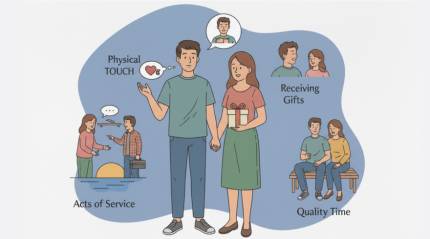
After you review patterns, it helps to frame your debrief in everyday terms by referencing the 5 love languages test couples as a starting point for designing routines you can repeat without strain. Think in “nudge-sized” steps: thirty-second appreciations, five-minute touchpoints, and small tokens that do not require a special occasion. The goal is not to perform romance but to maintain a steady signal of care. Use the table below to connect each language with concrete examples and common pitfalls to avoid when stress runs high.
| Language | What It Signals | Everyday Examples | Watch Outs |
|---|---|---|---|
| Words of Affirmation | Verbal recognition and appreciation | Specific praise, gratitude texts, love notes | Generic compliments, sarcasm during conflict |
| Quality Time | Undivided attention and presence | Device-free meals, shared walks, weekly check-ins | Multitasking, rescheduling without acknowledgment |
| Acts of Service | Help that lightens the daily load | Chores without prompting, errand support, prep lunches | Scorekeeping, doing tasks while criticizing technique |
| Receiving Gifts | Thoughtful tokens that symbolize care | Favorite snacks, small surprises, memory souvenirs | Extravagance over meaning, missing important dates |
| Physical Touch | Comfort and connection through contact | Hugs, hand-holding, back rubs, cuddling rituals | Only sexual touch, ignoring consent or mood cues |
Use the matrix to pick one action per language that feels effortless to deliver this week. Keep a shared note on your phones to track wins, and give each other feedback that stays descriptive rather than evaluative. Over time, these rituals become the architecture of reliability your relationship can lean on during hectic seasons.
From Insight to Habit: Rituals, Scripts, and Date Ideas
Turning insights into rituals is where growth sticks. Anchor new behaviors to existing routines so they require less willpower. For example, attach a brief appreciation to your morning coffee, exchange a six-second kiss before leaving the house, or run a quick “What would help you most tonight?” check-in before dinner. Scripts can reduce awkwardness at first: “I heard you say quality time matters most; would a short walk after work feel good today?” Keep these prompts handy until they become second nature, and rotate ideas to keep the energy fresh without feeling forced.
To keep momentum, many couples create a shared menu of low-cost ideas, and some reference summaries they discovered while exploring the 5 love language test couples to inspire practical micro-dates. Mix formats, outdoor mini-adventures, creative nights at home, or service-oriented gestures, so both partners feel nourished. Build a cadence that alternates who plans and who receives. Remember to calibrate frequency: it’s better to sustain two meaningful connections a week than to cram a marathon date followed by a drought. Celebrate progress, not perfection, and treat experiments as data rather than verdicts.
- Monday: device-free dinner plus one specific appreciation.
- Wednesday: 20-minute walk and hand-holding, rain or shine.
- Friday: tiny surprise, favorite snack, playlist, or note.
- Sunday: 15-minute planning huddle for the week ahead.
- Any day: micro “repair attempt” if tension spikes, name, pause, reset.
Common Pitfalls, Myths, and How to Avoid Them
One common misconception is that your primary language is fixed forever. In reality, context matters: new jobs, parenting, health shifts, and grief can temporarily reorder preferences. Another pitfall is turning the framework into a scoreboard, which drains warmth from the very gestures meant to create connection. Beware of “performative” actions that tick boxes without presence; authenticity matters more than quantity. Finally, avoid weaponizing the model during conflict, use it to repair, not to win arguments. The healthiest couples treat differences as design constraints for better systems, not as character flaws.
You may also notice varied terminology across platforms, and some resources refer to the assessment as the 5 love language test for couples to emphasize joint application rather than individual labeling. Regardless of phrasing, the skill is translation: convert knowledge into daily behaviors that your partner experiences as caring. A sustainable plan should fit your bandwidth, honor consent, and make room for spontaneity. Keep revisiting your rituals, prune what’s clunky, and double down on what lands. When in doubt, ask directly and listen for specifics, then mirror back what you heard before taking action.
- Do not assume; verify by asking for concrete examples.
- Replace critiques with curiosity when gestures miss the mark.
- Dial down intensity and dial up consistency for long-term success.
- During conflict, pause gestures that feel intrusive and re-attune later.
- Reassess quarterly and adapt to life’s changing seasons together.
FAQ: Your Questions Answered
How accurate is the love languages framework for long-term relationships?
It’s a helpful heuristic, not a diagnosis. Accuracy improves when couples use results as a starting point for dialogue, validate each other’s lived experience, and iterate based on real feedback. Over years, preferences may shift as circumstances change, so build a habit of revisiting conversations and refreshing rituals. The model shines when it guides specific behavior, such as setting weekly connection points and clarifying what “feeling loved” looks like in ordinary moments rather than grand occasions.
Should we take the quiz together or separately?
Complete the assessment separately to avoid influencing each other’s answers, then compare results and co-design small experiments. Start with two or three micro-habits per person, and check in after two weeks to evaluate what felt meaningful. If tensions arise during the debrief, slow down and reflect feelings before problem-solving. Many married partners appreciate tools branded as the 5 love languages married couples quiz, because they frame the process as a shared growth practice rather than a one-off test.
What if our top languages are different?
Different scores are common, and they can be a strength when you learn to give and receive fluently in both directions. Create a “both-and” plan: schedule time for quality attention if one partner values presence and weave in practical support if the other thrives on service. Agree on a minimum weekly frequency for each person’s top language, and rotate who leads the planning. Over time, familiarity builds ease, and what felt effortful becomes natural.
Can we improve intimacy if we’re short on time and energy?
Yes, by shrinking the ambition and increasing the rhythm. Micro-rituals, ten-second hugs, one-sentence appreciations, or quick check-ins, can deliver outsized impact when done consistently. Pair new habits with existing routines so they run on autopilot, and protect a brief “no devices” window daily. Some couples consult resources labeled the 5 love languages couples test to gather bite-sized ideas that fit busy schedules without sacrificing authenticity or warmth.
How often should we retake the assessment?
Retake it when life shifts significantly or at a regular cadence, such as every three to six months. Use the new results to refine your rituals and to retire gestures that no longer land. Treat each cycle as an opportunity to celebrate what’s working and to recalibrate where needed. The real measure of progress is not the score but the felt sense of being understood, supported, and cherished in daily life.
For couples who want a deeper dive into methodology and longer-term planning, a quarterly reflection anchored to values, boundaries, and shared goals can complement the quiz and keep your connection adaptive and strong.
Before wrapping up, remember that labels are tools, not identities. What matters most is the lived experience of care that your actions create, day after day.
As you experiment with new ways of showing up, keep conversations compassionate and focused on what helps each of you feel safe, seen, and supported.
Finally, let curiosity lead the way, and let consistent micro-gestures do the heavy lifting for your relationship.
For additional inspiration, capture wins in a shared note, and revisit your rituals together each season to tune them to your evolving life.
When both partners invest in small, steady changes, connection compounds and love feels easy again.