The Five Love Languages: Meaning, Benefits, and Real-Life Impact
- 19 November 2025
Take the 5 Love Languages Quiz for Couples, Teens & Kids
Get StartedFoundations of the Five Love Languages and Why They Matter
The five love languages describe distinct ways people send and receive affection, translating emotions into actions that actually land with a partner. This framework grew popular because it offers a simple vocabulary for complex needs, turning puzzling dynamics into clear, actionable patterns. Instead of guessing, couples can map their preferences and align daily behavior with what nourishes connection. That reframing reduces friction, builds empathy, and creates a shared compass for intimacy. Even seasoned partners discover that fluency in multiple languages of love expands resilience during stress, life transitions, and conflict.
Communication breakdowns often trace back to mismatched delivery: one person offers compliments while the other yearns for quality time or practical help. One of the most cited maps for this territory is the framework reflected in 5 love languages Gary Chapman, which organizes affectionate behavior into five intuitive categories. By naming those categories, partners stop personalizing miscues and start negotiating needs with clarity and kindness. The result is a relationship culture where good intentions finally become felt experience.
Curiosity is the best starting point, especially if you don’t yet recognize your primary way of giving and receiving care. For newcomers, interactive self-assessments can spark insight; among the most referenced resources is the 5 love languages Gary Chapman quiz, which distills everyday preferences into patterns you can apply immediately. Consider journaling your reactions to various expressions of love for a week to cross-check the patterns you notice. That mix of reflection and gentle experimentation often reveals what truly moves the needle in your bond.
The Five Love Languages Explained with Practical Examples
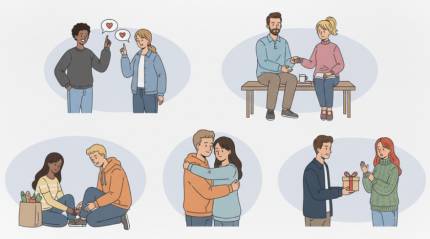
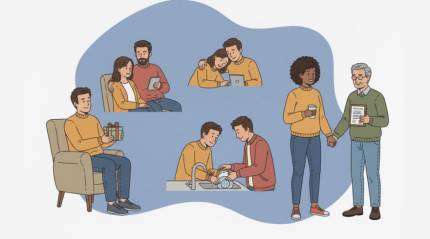
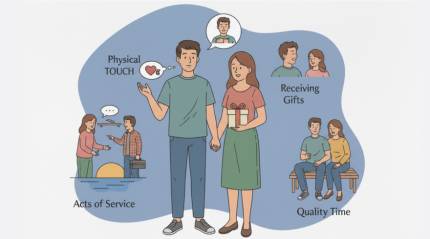
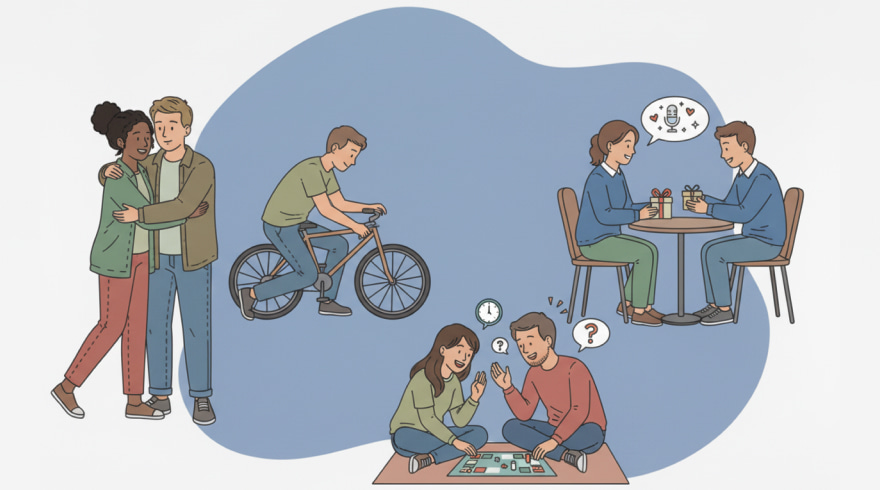
At its core, this model spotlights five channels: Words of Affirmation, Quality Time, Acts of Service, Receiving Gifts, and Physical Touch. Each language represents a distinct emotional currency, and each person values these currencies in different proportions. Misunderstandings often arise when we keep “paying” in the currency we prefer to give rather than the currency our partner is eager to receive. That’s why developing bilingual or even trilingual fluency can be transformative, particularly in long-term relationships where needs evolve across seasons of life.
If words of affirmation resonate, you may find clarity echoed by the Gary Chapman 5 love languages quiz, because it illustrates how verbal appreciation functions as fuel for trust. Short, sincere statements like “I’m proud of you” or “I noticed your effort” can revitalize motivation and soothe insecurity. On the other hand, those attuned to touch might prefer a reassuring hug after a stressful day, which delivers safety faster than any speech could.
Couples who crave uninterrupted moments often relate to results highlighted in the 5 love languages quiz Gary Chapman, where Quality Time emerges as a core driver of bonding. For this group, devices go away, eye contact increases, and presence becomes the gift. Meanwhile, Acts of Service people light up when chores are shared, errands are handled, or logistical burdens are lifted without prompting.
- Words of Affirmation: Thoughtful praise, encouragement, and verbal gratitude nurture confidence and closeness.
- Quality Time: Focused attention, shared hobbies, and meaningful conversations ignite a feeling of companionship.
- Acts of Service: Tangible help, meals cooked, repairs handled, plans organized, signals devotion through effort.
- Receiving Gifts: Symbolic tokens, surprises, or keepsakes embody thoughtfulness and mark meaningful milestones.
- Physical Touch: Hugs, brushes of the hand, cuddling, and playful contact deliver calm, warmth, and security.
Benefits for Couples, Families, and Everyday Life
Understanding love languages elevates everyday interactions, converting autopilot habits into personalized gestures. When you know what lands for your partner, you can allocate energy wisely and stop investing in expressions that go unnoticed. That reduces disappointment and replaces it with a cycle of positive reinforcement, where each person feels seen and reciprocates naturally. Over time, this cycle becomes a reinforcing loop of trust, making hard conversations easier and joyful moments richer.
When navigating conflict, many partners report breakthroughs after reviewing prompts similar to the 5 love language test Gary Chapman, because it reframes irritations as unmet needs. Instead of arguing about dirty dishes, for example, you might notice a plea for Acts of Service or Quality Time. With that perspective, solutions become collaborative and compassionate rather than adversarial.
In family life, check-ins modeled after the 5 love languages test Chapman can create a cadence of care that children understand instinctively. Parents who vary their expression, reading together, offering hugs, giving small notes, or helping with tough tasks, tend to meet a wider range of needs. The approach also fosters emotional literacy, because kids learn to articulate what helps them feel supported and how to offer support to others.
- Conflict resolution: Translate complaints into actionable requests using the right emotional currency.
- Parenting and friendships: Expand your repertoire to match different personalities and ages.
- Workplace rapport: While not romantic, appreciation languages overlap with recognition preferences.
- Personal well-being: Receiving love in your preferred mode often improves sleep, stress regulation, and resilience.
How to Discover Your Primary Language and Build Fluency
Start with observation: What do you request most, and what criticisms do you repeat? Often, the complaint hides the need. Then run weeklong experiments, on Monday, emphasize Words of Affirmation; on Wednesday, focus on Acts of Service; on Friday, plan focused Quality Time; and so on. Track your emotional response, energy levels, and sense of closeness after each experiment. Also notice what you instinctively give to others, as that pattern frequently mirrors what you most enjoy receiving.
For a structured snapshot, many people compare their notes with the layouts found in the 5 love languages quiz Chapman, then they triangulate results with observations from loved ones. Pair that with feedback from your partner, and you’ll create a more complete picture. If you differ, treat the discrepancy as data, not a dispute, and keep iterating.
| Love Language | You feel most loved when... | You tend to give... | Quick practice |
|---|---|---|---|
| Words of Affirmation | Specific praise and gratitude are expressed clearly. | Encouraging texts, notes, or sincere compliments. | Write a 3-sentence appreciation note after shared tasks. |
| Quality Time | Your partner is fully present without distractions. | Planned dates, deep talks, and shared routines. | Schedule a 30-minute phone-free walk twice a week. |
| Acts of Service | Stress is reduced because helpful tasks are handled. | Chores, organizing, and proactive problem-solving. | Handle an errand they dislike before they ask. |
| Receiving Gifts | Thoughtful tokens symbolize attention and care. | Surprises tied to inside jokes or shared memories. | Pick a small, meaningful item and explain its story. |
| Physical Touch | Affectionate contact provides calm and closeness. | Hugs, handholding, and playful physicality. | Offer a relaxing shoulder rub after a long day. |
If you’re still uncertain, reading through question sets reminiscent of the Chapman 5 love languages quiz can nudge you toward a dominant pattern without boxing you in. Keep in mind that situational shifts, new jobs, parenthood, or recovery from loss, can temporarily elevate one language. Reassess occasionally and update your routines so they stay attuned to the current season.
Common Mistakes to Avoid and Pro Tips for Everyday Mastery
A frequent misstep is assuming your partner shares your preferences, which leads to well-intended but ineffective gestures. Another pitfall is overusing one channel while neglecting the others; relationships thrive on variety even when one language is primary. Some people also treat the languages as personality labels, yet they are better understood as evolving preferences that respond to stress, capacity, and context. Finally, delivery matters, affirmations must be specific, time must be undistracted, gifts should be thoughtful, services need to be timely, and touch should always be consensual and welcome.
Before making big changes, many people validate their hunches against feedback from tools like the 5 love language quiz Gary Chapman, and they revisit findings after trying new habits for a month. Use those check-ins to refine the frequency, format, and timing of each expression. Small adjustments, like switching from general praise to concrete acknowledgment, often produce outsized shifts in how loved someone feels.
To sustain momentum, some pairs schedule quarterly checkups inspired by the Gary Chapman 5 love language quiz, treating it like a friendly calibration rather than a pass–fail test. They celebrate what’s working, prune what isn’t, and brainstorm fresh ideas that fit the next quarter’s realities. This rhythm keeps the relationship agile and responsive.
- Create a rotating “love language calendar” so each channel gets airtime over a month.
- Bundle languages: offer a thoughtful gift with a handwritten note and a planned date.
- Set “presence alarms” to cue device-free micro-moments of connection.
- Debrief weekly: ask, “What made you feel cared for?” and “What should we tweak?”
- Honor boundaries and consent, especially around touch and time commitments.
FAQ: Practical Answers About the Five Love Languages
What exactly are the five love languages?
They are five distinct modes for giving and receiving affection: Words of Affirmation, Quality Time, Acts of Service, Receiving Gifts, and Physical Touch. Most people appreciate all five, but one or two often feel most potent. Identifying your order of preference helps you communicate needs clearly and tune your gestures to what resonates with others.
Are online quizzes accurate, and how should I use them?
Quizzes are helpful mirrors but not definitive verdicts; they spark reflection and offer hypotheses to test in real life. Many readers enjoy using the 5 love languages quiz free Gary Chapman as a starting mirror, yet the most reliable insights come from conversation and observation over time. Treat results as a living draft you refine through feedback and practice.
Can my primary love language change over time?
Yes, context matters. Major life shifts, stressors, or new responsibilities can temporarily elevate different needs. Revisit your preferences seasonally and adjust how you give and receive care accordingly, keeping communication open so your partner can adapt in step with you.
How can couples make this work long-distance?
Focus on cadence and creativity: schedule regular face-to-face calls, exchange voice notes, send surprise letters or small tokens, and plan shared experiences like movie nights. Many long-distance partners leverage tools similar to the 5 languages love quiz Gary Chapman to align expectations and choose rituals that travel well. Consistency plus personalization keeps the connection vivid despite miles.
Is this approach supported by research?
While the model itself is a popular framework rather than a clinical diagnosis, it maps onto well-established principles in relationship science: responsiveness, perceived partner support, and secure attachment. Empirical findings consistently show that tailored affection and reliable attunement predict higher satisfaction and stability, which the love languages help operationalize day to day.